Skalli · Therapy
← All treatments
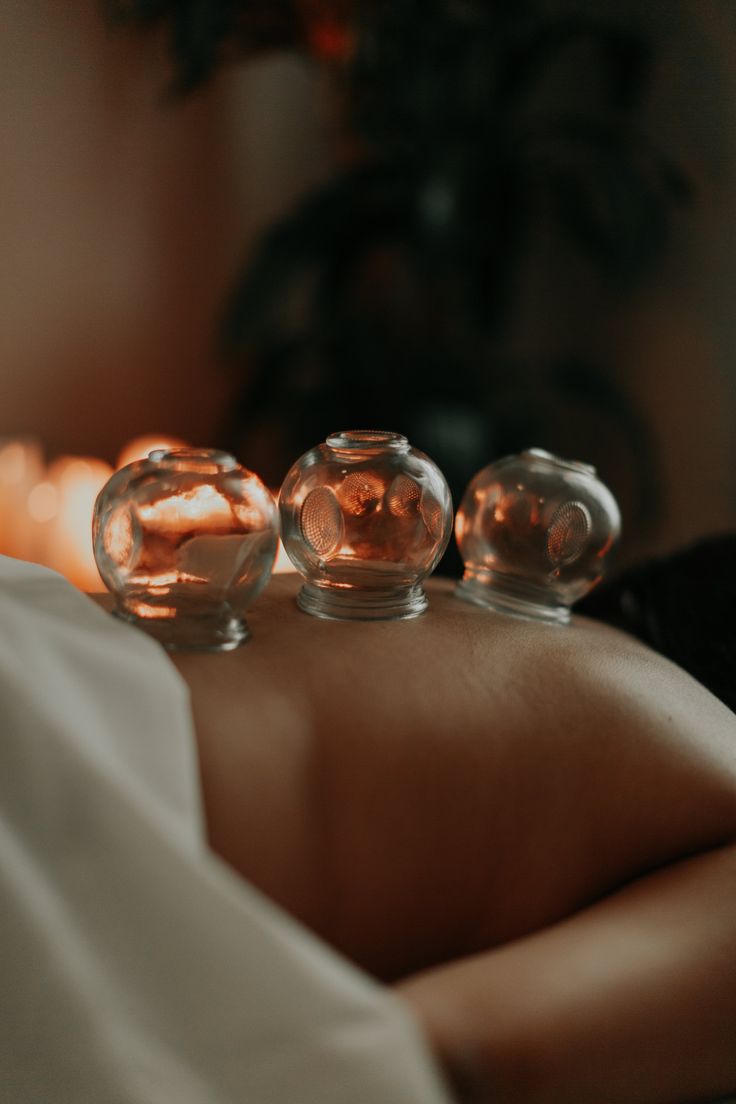
Photo — Hijama

Hijama

A traditional practice from Prophetic medicine, using cupping to help the body release what is considered old blood, toxins and other unwanted substances.

Learn more

What Is Hijama ?

Hijama, also known as cupping therapy, is a traditional practice that involves using cups to create suction on specific areas of the body. In Wet Hijama, small superficial incisions are then made to allow a small amount of blood to be drawn. Traditionally, this practice aims in particular to help the body rid itself of what is considered old or stagnant blood, toxins and certain unwanted substances. Hijama can also be part of a broader care and well-being approach, tailored to each person's needs.

But Hijama is far more than a simple traditional technique : it also holds a special place in Islamic tradition and Prophetic medicine. It was practised at the time of the Prophet ﷺ and is mentioned in several hadiths. For many Muslims, Hijama thus represents both an ancestral practice and a tradition tied to the Sunnah. In the Islamic lunar calendar, certain Sunnah days are traditionally considered particularly favourable moments for practising hijama. Learn more about Sunnah Days.

Why Choose Hijama ?

Hijama is traditionally used to support the body and promote a sense of well-being. It may be sought in particular for :

  • Muscle tension and back or neck pain
  • Headaches
  • Fatigue and low energy
  • Stress and a feeling of tension
  • A need for relaxation and overall well-being

Everyone is different : needs and sensations can vary from person to person.

How Often Should Hijama Be Practised ?

There is no single pace that suits everyone. How often sessions are needed can depend on the person, their needs and the goal being pursued. At Skalli Therapy, sessions can therefore be spaced out and tailored individually rather than following the same schedule for everyone.

What Can You Feel After the Session ?

Hijama is generally well tolerated. After the session, the marks left by the cups remain visible for a while before fading naturally. Some people may also feel slightly tired after the session, which usually passes quickly.

Frequently Asked Questions

Hijama is not generally painful. We make sure you feel comfortable throughout the session and that you don’t experience any discomfort.

Dry Hijama can be practiced from age 2. Wet Hijama is only offered from age 5.

The marks left by the cups are usually temporary and disappear completely after 1 to 2 days.

Dry Hijama uses only the cups and doesn’t involve breaking the skin. Wet Hijama also includes small, superficial incisions that allow a small amount of blood to be drawn.

Other treatments

Acupuncture
Acupuncture
Moxibustion
Moxibustion
Reflexology
Reflexology
Sujok
Sujok

A question before booking?

Send us a quick message about how you're feeling — we'll get back to you personally.

Message us on WhatsApp